Japanese gardens are known for their tranquility, beauty, and spiritual symbolism. They are a wonderful way to create a peaceful and harmonious outdoor space that promotes relaxation and contemplation. Here’s a fun blog post about Japanese gardens that will inspire you to create your own peaceful oasis:
- The Elements of a Japanese Garden
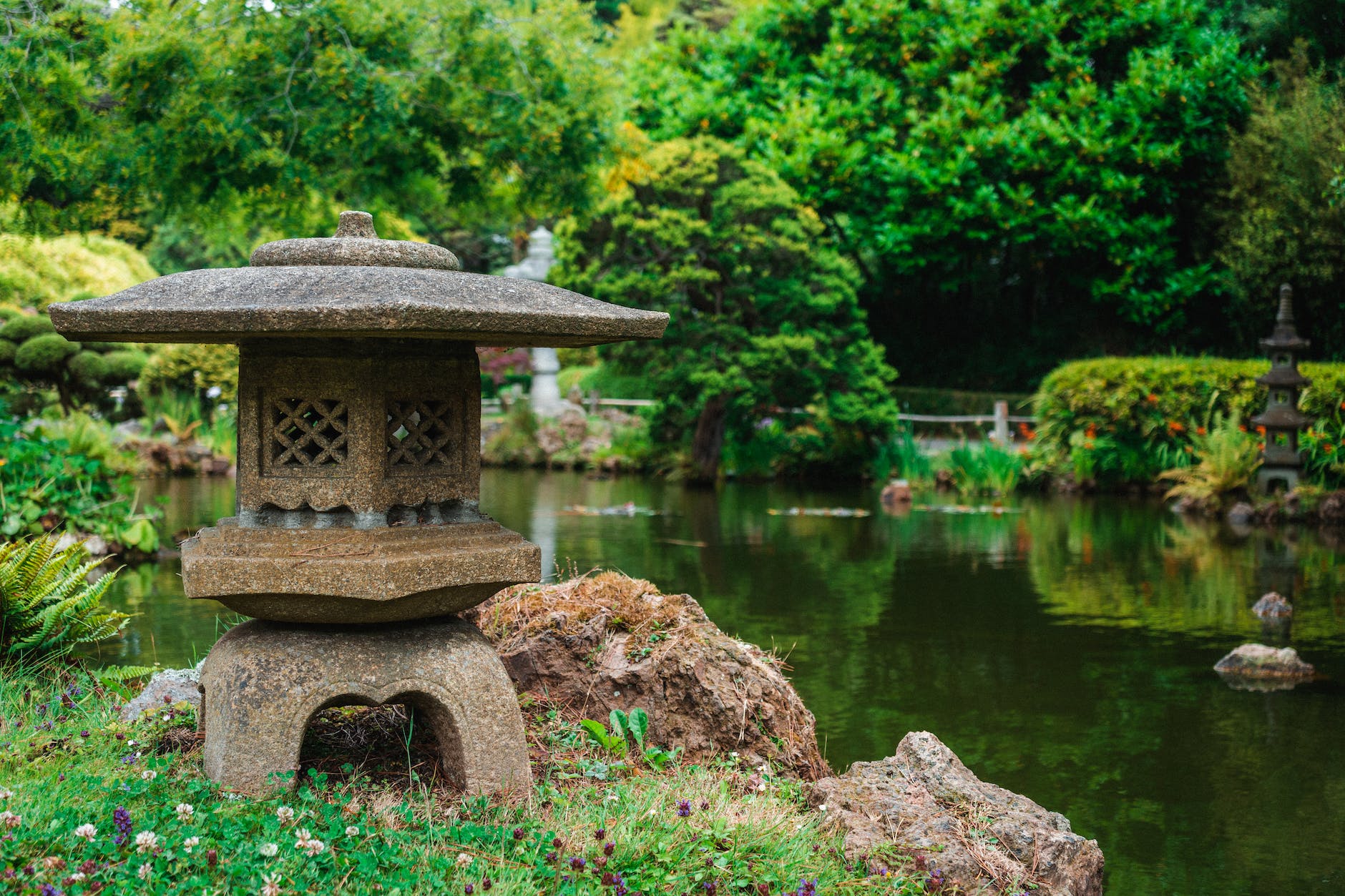
Japanese gardens typically include several elements that work together to create a harmonious and serene atmosphere. These elements may include water features, rocks and stones, gravel, plants, and pathways. Each element has its own symbolic meaning, and together they create a balance between nature and man-made elements.
- The Role of Water in Japanese Gardens
Water is a key element in Japanese gardens, as it represents purity, renewal, and tranquility. Many Japanese gardens feature a pond, stream, or waterfall, which provides a calming sound and a focal point for meditation. Water is often surrounded by rocks, which represent mountains and are a reminder of the power and majesty of nature.
- The Importance of Rocks and Stones
Rocks and stones are another important element in Japanese gardens, as they represent strength and permanence. They are often used to create pathways, stepping stones, and rock gardens. In Japanese culture, rocks are also considered sacred, and many Japanese gardens include a place for visitors to pray or meditate.
- The Use of Plants in Japanese Gardens
Plants are used in Japanese gardens to create texture, color, and depth. Japanese gardens often include a variety of plants, from trees and shrubs to ferns and mosses. Many Japanese gardens also feature cherry blossom trees, which are a symbol of renewal and the impermanence of life.
- Creating a Japanese Garden at Home
You don’t have to travel to Japan to experience the beauty and tranquility of a Japanese garden. You can create your own Japanese-inspired garden at home by incorporating some of the key elements discussed above. Start by selecting plants that are commonly found in Japanese gardens, such as cherry blossom trees, bamboo, and ferns. Consider adding a water feature, such as a small pond or waterfall, and use rocks and stones to create pathways and define the space. You can also incorporate elements of Zen Buddhism, such as a small statue or a meditation space.
In conclusion, Japanese gardens are a wonderful way to create a peaceful and harmonious outdoor space that promotes relaxation and contemplation. By incorporating elements such as water features, rocks and stones, and plants, you can create your own Japanese-inspired garden that will provide a tranquil retreat from the stresses of everyday life.
 A Garden Tale